
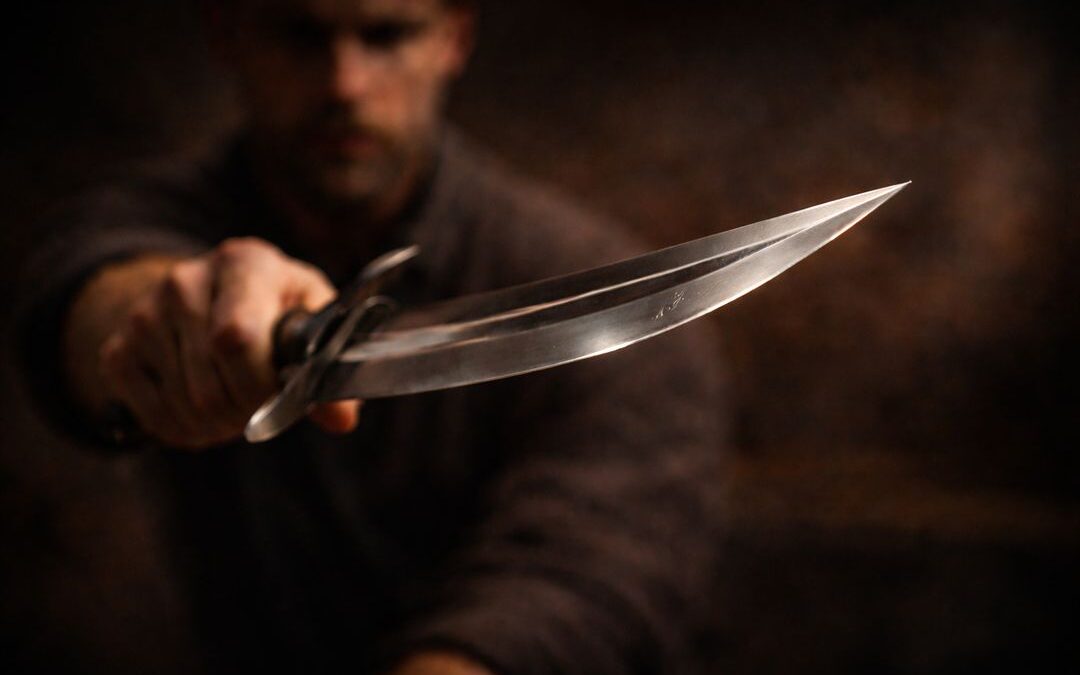
People speak often of the sharpest blade ever forged. It is praised for its efficiency—for its ability to end a matter in a single blow. Strength admires it. Fear respects it. Stories gather around its edge.
Its origin is spoken of with reverence. Taken, we are told, from elements drawn out of depths deeper than the eye can see—from places where pressure is allowed to finish its work. Such material carries authority. It explains why captors fall to their knees when the blade is raised, not always because it is used, but because it could be.
When held rightly, the blade serves good ends. It may win a friend. It may hold a line. Carefully placed, it protects what stands behind it. In these moments, it appears trustworthy—almost noble. Few question it then.
Trouble enters when motive shifts.
With impure intent, the blade does more than cut. Bone yields, and what follows does not recover as expected. The harm does not remain visible. It moves inward, past what can be bound or set, working damage that resists repair. What seemed decisive becomes corrosive. What was meant to resolve begins instead to unravel.
Yet the blade is rarely blamed.
It boasts and it brags through the one who bears it. It charms as readily as it defends. Because it can protect, it is believed. Because it can persuade, it is given room. And over time, its presence reshapes the hand that holds it.
Untamed, it proves a beast—not because it was forged wrongly, but because it was trusted too easily. In the end, it does what such blades always do when left unchecked: it turns its work back toward its bearer.
And the one who believed he wielded it discovers, too late, that destruction does not always come from the strike outward, but from what is released and allowed to move freely within.
© 2025 Steven Scott. All Rights Reserved.
Unauthorized use or reproduction of this material is prohibited without written permission.